The Ultimate Guide to Overcoming Internalized Homophobia with the Help of the Internalized Homophobia Workbook
The Ultimate Guide to Overcoming Internalized Homophobia with the Help of the Internalized Homophobia Workbook
For many members of the LGBTQ+ community, internalized homophobia can be a significant obstacle to self-acceptance and personal growth. Internalized homophobia refers to the negative emotions, thoughts, and attitudes that individuals develop towards themselves and their own LGBTQ+ identity due to societal stigma, cultural norms, and internalized heteronormativity. The Internalized Homophobia Workbook, developed by Dr. Darryl Hill, provides a comprehensive and supportive framework for individuals to confront and overcome internalized homophobia.
This article will delve into the concept of internalized homophobia, its effects on individuals, and the benefits of using the Internalized Homophobia Workbook as a tool for healing and growth. Through a combination of research, expert insights, and personal anecdotes, we will explore the ways in which this workbook can help individuals develop a more positive and affirming relationship with themselves and their LGBTQ+ identity.
Internalized homophobia can manifest in various ways, from self-hatred and shame to denial and avoidance of one's LGBTQ+ identity. It can also lead to a range of negative consequences, including anxiety, depression, substance abuse, and difficulty forming healthy relationships. Dr. Hill, a licensed therapist and LGBTQ+ advocate, emphasizes the importance of addressing internalized homophobia in his workbook: "Internalized homophobia is a complex and deeply ingrained issue that requires a comprehensive and compassionate approach to healing. The Internalized Homophobia Workbook is designed to provide individuals with the tools and support they need to challenge and overcome these negative patterns of thinking and behaving."
Understanding Internalized Homophobia
Internalized homophobia is often the result of a lifetime of negative messages and experiences that an individual receives from family, friends, community, and society at large. These messages can be explicit, such as verbal abuse and rejection, or implicit, such as cultural norms and expectations that reinforce heteronormativity. As a result, individuals may develop a range of negative emotions and attitudes towards themselves, their LGBTQ+ identity, and others who share their identity.
Some common examples of internalized homophobia include:
* Self-hatred and self-rejection: "I'm so ashamed of being gay," or "I wish I could change who I am."
* Denial and avoidance: "I don't really identify as LGBTQ+," or "I just don't want to deal with it."
* Shame and guilt: "I'm a bad person for being LGBTQ+," or "I'm not worthy of love and acceptance because of who I am."
* Anxiety and depression: "I'm so anxious all the time because of my LGBTQ+ identity," or "I just can't seem to find happiness and fulfillment because of who I am."
The Benefits of the Internalized Homophobia Workbook
The Internalized Homophobia Workbook offers a comprehensive and supportive framework for individuals to confront and overcome internalized homophobia. Through a combination of exercises, worksheets, and reflective prompts, individuals can:
* Identify and challenge negative thought patterns and emotions
* Develop a more positive and affirming relationship with themselves and their LGBTQ+ identity
* Build self-compassion and self-acceptance
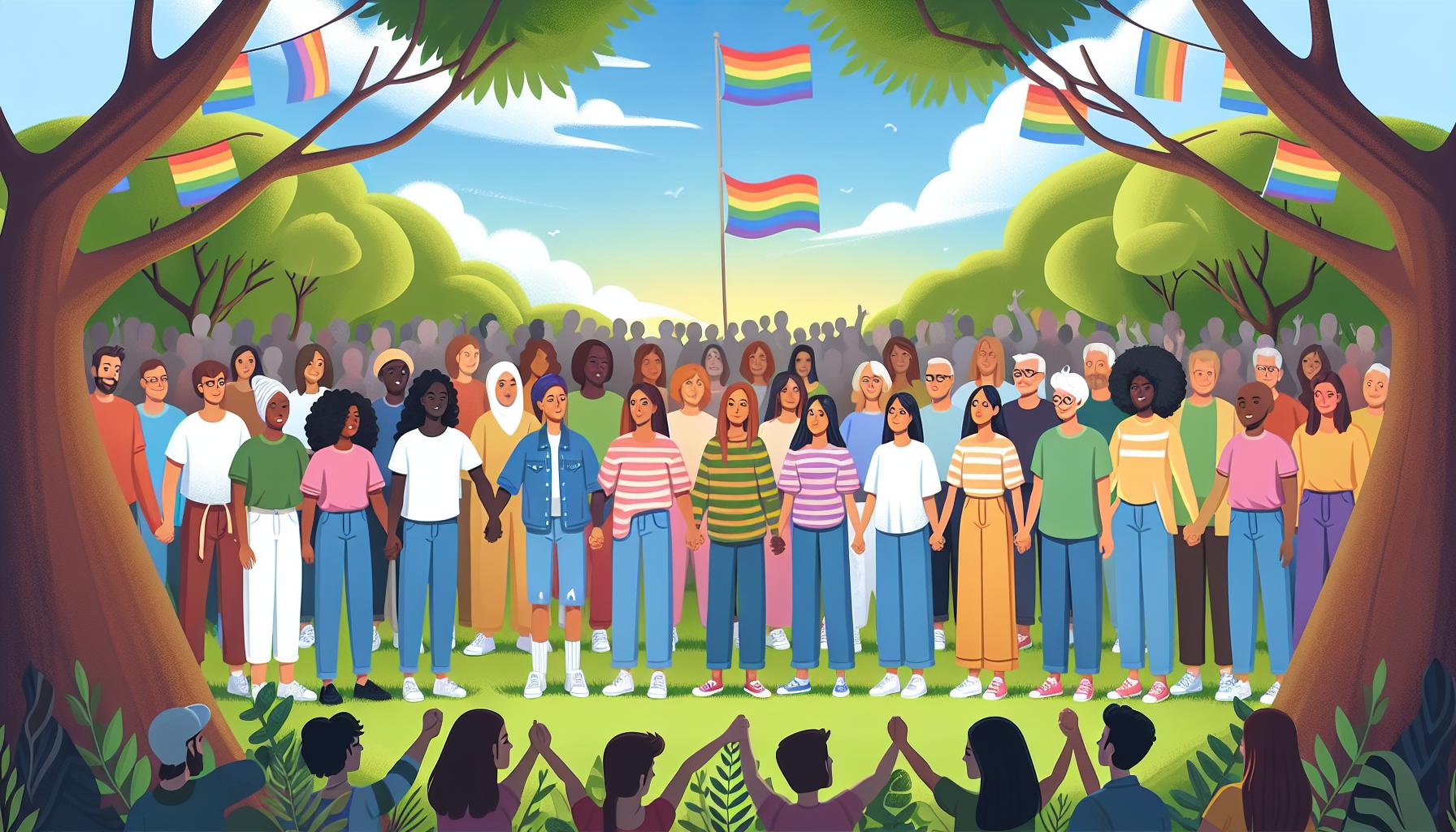
* Cultivate a sense of community and connection with others who share their identity
Dr. Hill emphasizes the importance of self-compassion and self-acceptance in his workbook: "The journey of healing from internalized homophobia requires a willingness to be kind, gentle, and compassionate towards oneself. The Internalized Homophobia Workbook is designed to provide individuals with the tools and support they need to cultivate a more loving and accepting relationship with themselves."
Using the Internalized Homophobia Workbook
The Internalized Homophobia Workbook is a comprehensive and supportive resource that offers a range of exercises and activities to help individuals confront and overcome internalized homophobia. Some of the key components of the workbook include:
* Assessment and self-reflection: Individuals are encouraged to reflect on their thoughts, emotions, and experiences related to their LGBTQ+ identity.
* Challenging negative thought patterns: Individuals are guided through a range of exercises and activities designed to help them identify and challenge negative thought patterns and emotions.
* Building self-compassion and self-acceptance: Individuals are encouraged to cultivate a more loving and accepting relationship with themselves through a range of exercises and activities.
* Building community and connection: Individuals are guided through a range of activities and exercises designed to help them build connections with others who share their identity.
Some examples of exercises and activities in the Internalized Homophobia Workbook include:
* "Self-Reflection Exercise": Individuals are encouraged to reflect on their thoughts, emotions, and experiences related to their LGBTQ+ identity.
* "Challenging Negative Thoughts": Individuals are guided through a range of exercises and activities designed to help them identify and challenge negative thought patterns and emotions.
* "Self-Compassion Practice": Individuals are encouraged to cultivate a more loving and accepting relationship with themselves through a range of exercises and activities.
* "Building Community": Individuals are guided through a range of activities and exercises designed to help them build connections with others who share their identity.
Conclusion
The Internalized Homophobia Workbook is a powerful tool for individuals looking to confront and overcome internalized homophobia. Through a comprehensive and supportive framework, individuals can challenge negative thought patterns and emotions, develop a more positive and affirming relationship with themselves and their LGBTQ+ identity, build self-compassion and self-acceptance, and cultivate a sense of community and connection with others who share their identity. By using this workbook, individuals can begin to break free from the negative patterns of thinking and behaving that have held them back for so long and live a more authentic, fulfilling, and happy life.



Related Post
Unrelenting Bravery: The Houston Fire Department's Most Infamous Incidents

Kaitlan Collins Bathing Suit: The Unsung Hero of Swimwear

Crunching the Numbers: An Examination of Arrest Logs in Santa Cruz
Winona Ryder's Ageless Charm: Unpacking Her Iconic Role in Bram Stoker's Dracula</h3><p>In 1992, Winona Ryder reprised her breakout role as Mina Harker in Francis Ford Coppola's adaptation of Bram Stoker's Dracula, cementing her status as a Hollywood leading lady. In this article, we'll delve into the making of this iconic film, exploring the intricacies of Ryder's portrayal of Mina and the ways in which it showcases her ageless talent.</p><p>Winona Ryder's casting as Mina Harker in Bram Stoker's Dracula was a pivotal moment in the film's production. Ryder, who was in her mid-twenties at the time, brought a youthful energy to the role, which offset the more mature performances of the film's other lead actors, including Gary Oldman and Anthony Hopkins. As Ryder herself notes, "I was so young, and I was playing a character who was kind of an innocent, and I think that's what made her so compelling."</p><p>Coppola, who has long been a supporter of Ryder's work, saw in her a unique talent that would bring depth and nuance to the character of Mina. "Winona had a sense of vulnerability and fragility that was perfect for the role," Coppola recalled in an interview. "She was able to convey the character's emotions in a way that was both subtle and powerful."</p><p>One of the key aspects of Ryder's performance in Bram Stoker's Dracula is her ability to convey the complexities of Mina's character. On the surface, Mina appears to be a traditional Victorian-era wife, devoted to her husband and lacking in assertiveness. However, as the film progresses, it becomes clear that Mina is a strong-willed and independent individual, capable of withstanding the pressures of the supernatural forces that surround her.</p><p>Ryder's portrayal of Mina is characterized by a mix of fragility and determination. Her character's emotional vulnerability is palpable, particularly in the film's iconic scenes, such as the scene in which Mina is trapped in the snake scene with the vampire. At the same time, Mina shows remarkable resilience and strength in the face of adversity, refusing to give in to the forces of darkness that seek to consume her.</p><p>Bulleted points of critical acclaim:</p><p>• Ryder received wide praise for her performance, with many critics noting her ability to bring depth and nuance to the character of Mina.</p><p>• The film's use of sensual imagery and visual metaphors added to Ryder's performance, creating a dreamlike quality that drew audiences into Mina's world.</p><p>• Coppola's direction of the film was widely praised, with many critics noting his ability to create a sense of tension and foreboding that was both suspenseful and atmospheric.</p><h2>Behind the Scenes of Bram Stoker's Dracula</h3><p>The making of Bram Stoker's Dracula was a complex and often challenging process. Coppola, who had previously helmed films such as The Godfather and Apocalypse Now, was determined to create a film that would be both faithful to the original novel and innovative in its approach. As he notes, "I wanted to create a film that would be a metaphor for the vampire's victims – people who are trapped in their own lives, struggling to find freedom and release."</p><p>Coppola's vision for the film was shaped by his own experiences growing up in a family of artists. "I grew up surrounded by art and music, and I think that's where my love of storytelling comes from," Coppola explained. "I wanted to create a film that would be a hybrid of art and film, something that would be both beautiful and terrifying."</p><p>The film's production was marked by intense collaboration between Coppola and his cast and crew. As Ryder recalls, "Francis is an incredibly talented and intense director, and he demands a lot from his actors. But at the same time, he's also incredibly generous and supportive – he wants to bring out the best in everyone."</p><h3>Impact and Legacy of Bram Stoker's Dracula</3><p>Bram Stoker's Dracula was released in 1992 to widespread critical acclaim. The film grossed over $215 million at the box office and won several awards, including an Academy Award for Best Costume Design.</p><p>However, the film's impact went far beyond its commercial success. As a film, Bram Stoker's Dracula redefined the boundaries of cinematic horror, pushing the genre in new and innovative ways. As a performance, Ryder's portrayal of Mina Harker set a new standard for actresses in the genre, demonstrating a depth and nuance that was both captivating and inspiring.</p><p>Today, Bram Stoker's Dracula remains a cult classic, widely regarded as one of the greatest horror films of all time. As Ryder notes, "I feel incredibly fortunate to have been a part of something that has had such a lasting impact on audiences and the film industry as a whole."</p><p>The lasting impact of Bram Stoker's Dracula can be seen in the many filmmakers and actors who have been influenced by Coppola's vision and Ryder's performance. As one film critic noted, "Bram Stoker's Dracula is a film that has stood the test of time – its themes of love, death, and the supernatural continue to captivate audiences to this day."</p><h1>Conclusion: Winona Ryder's Ageless Charm in Bram Stoker's Dracula